Innovations are constantly emerging from the pharmaceutical and healthcare industries, but access to those advances is far from equal. Africa, for example, faces some of the most dramatic healthcare problems. A slew of infectious diseases plague the continent, and much of the population are far removed from modern healthcare facilities. There is also a dearth of pharmaceutical manufacturing facilities in the region, too, meaning that the majority of drugs are imported. In 2018, the United Nations Economic Commission for Africa’s chief of industrialization and infrastructure stated that the region urgently needs to develop its pharmaceutical sector.
To that end, there is an opportunity for foreign companies to invest in the region, boosting access to medicine and healthcare, and seeing business benefits in return. To add some numbers to the picture, the African pharma market is expected to reach $45 billion by 2020.
Some pharma companies are already working hard to make a difference in the region. Morningside Pharmaceuticals in Loughborough, UK, manufactures both generic medicines and branded medicines, which it supplies to NHS hospitals and pharmacies in the UK. Globally, the business also provides essential medical supplies to aid agencies, charities and NGOs, which are then distributed to developing countries. The company has been supplying global aid for over 25 years and currently has about 220 generic and branded licensed medicines in the UK and EU.
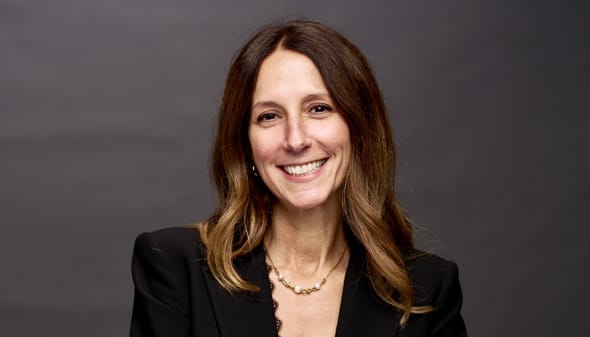
Recently, the company was the headline sponsor of the 4th UK East Africa Health Summit. Here, we speak with Nik Kotecha, Chief Executive of Morningside Pharmaceuticals, to find out what unfolded.
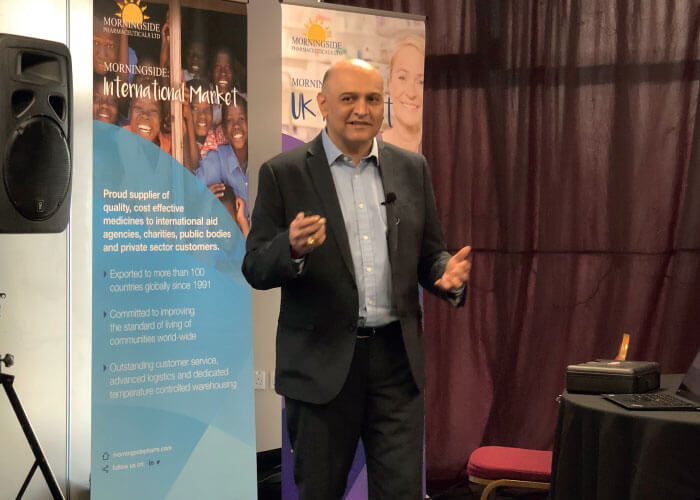
The Summit took place in the conference hall of the British Medical Association, London. In brief, experts discussed how to support the UK and East African governments in responding to current and future health issues, as well as achieving greater investment in African healthcare systems.
The Summit was convened and supported by the Uganda UK Health Alliance, British Medical Association (BMA), British Medical Journal (BMJ), NHS Health Education England, and Morningside Pharmaceuticals as a headline sponsor. And it brought together delegations from the UK and African governments, NHS leaders, policy makers and representatives from African ministries of health, who were joined by international healthcare experts, investors, solution providers and business leaders.
We heard keynote speeches from Ged Byrne, Director of Global Engagement for Health Education England, who spoke about the global health workforce shortage and the role of the NHS in global engagement; as well as from Lord Sheikh Mohamed, who spoke about strengthening UK and East African health business ties through institutional collaboration and partnership.
There was also a panel Q&A with the High Commissioners of Uganda, Kenya and Tanzania, who spoke about bilateral health priorities, before Jeremy Lefroy MP chaired a political session on how governments support health priorities, such as malaria.
Lord Nigel Crisp, former Chief Executive of the NHS, looked at nursing and how professional exchange can benefit East Africa, while a panel of academics spoke about supporting higher medical training in the UK and East Africa. Mutual global health collaborations, including Everton Football Club’s support for the West Nile refugee operation, were also looked at in detail.
I was very honored to chair one of the sessions on safe access to medicines, vaccines and medical devices.
When the UK Prime Minister visited Africa last year, she saw big opportunities for the UK’s private business sector. There are a number of healthcare areas where UK investment will make a real difference. Firstly, there are great opportunities to set-up local manufacturing facilities in Africa to improve and maintain the supply of cost-effective, high-quality medicines. We’re starting to see this happen, but, currently, 79 percent of medicines consumed in Africa are imported, which comes with its own challenges; the supply chain is fragmented and often has an excessive number of intermediaries between the facility where the medicine is manufactured and the dispensing outlet.
Related to the fragmented supply chain is the huge problem of counterfeit or ‘fake’ medicine. It is estimated that fake antimalarials contributed to 116,000 additional deaths a year in Sub-Saharan Africa alone. Though governments need to do more to stop these medicines coming into the system, the private sector has an opportunity to invest in innovations, such as 2D barcoding and tamper-evident packaging.
Wherever they are manufactured, quality medicines require secure transportation and a temperature controlled environment, which represents another great opportunity for businesses to invest in the infrastructure around the whole supply chain of medicines.
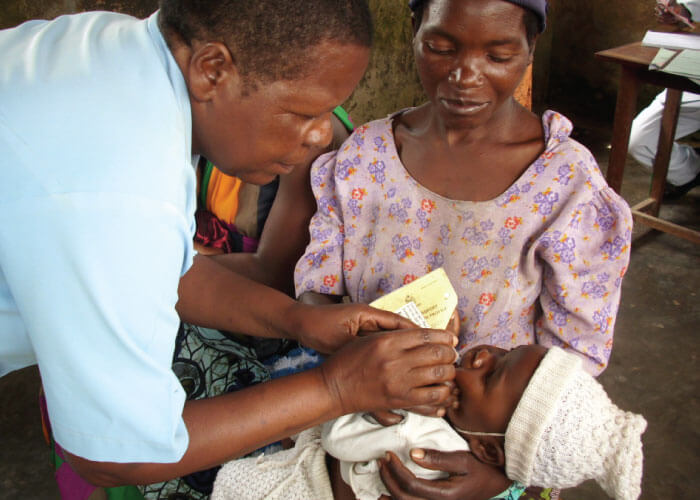
An outcome of the summit will hopefully be that skills and expertise we have in the UK NHS will be provided to our African colleagues, and we are also learning from some of the great work that’s happening in East Africa. Nursing was a particular focus of the summit, with health and political leaders looking at ways to help those staff work to their full potential.
It’s clear there are no easy answers to some of the healthcare challenges faced by African nations. But if politicians, healthcare professionals, aid agencies and business leaders can work more closely together, then we stand a much better chance of making significant progress.
Newsletters
Receive the latest pharmaceutical news, personalities, education, and career development – weekly to your inbox.