In October 2025, Kyiv-based Enamine in Ukraine announced its contribution to an open-science drug discovery effort by the COVID Moonshot and ASAP (AI‑driven Structure‑enabled Antiviral Platform) consortia. Through Enamine’s chemistry platform, over 2,000 novel compounds were generated and made available from its catalogue, accelerating the early stages of development. One molecule, designated ASAP-0017445, has emerged as a promising pre-clinical candidate for a broad-spectrum coronavirus antiviral, nominated by the Drugs for Neglected Diseases Initiative (DNDi) for its encouraging safety and efficacy profile. The structure of ASAP-0017445 was publicly disclosed in March 2025; its patent and supporting data have since been published to support the open-science model.
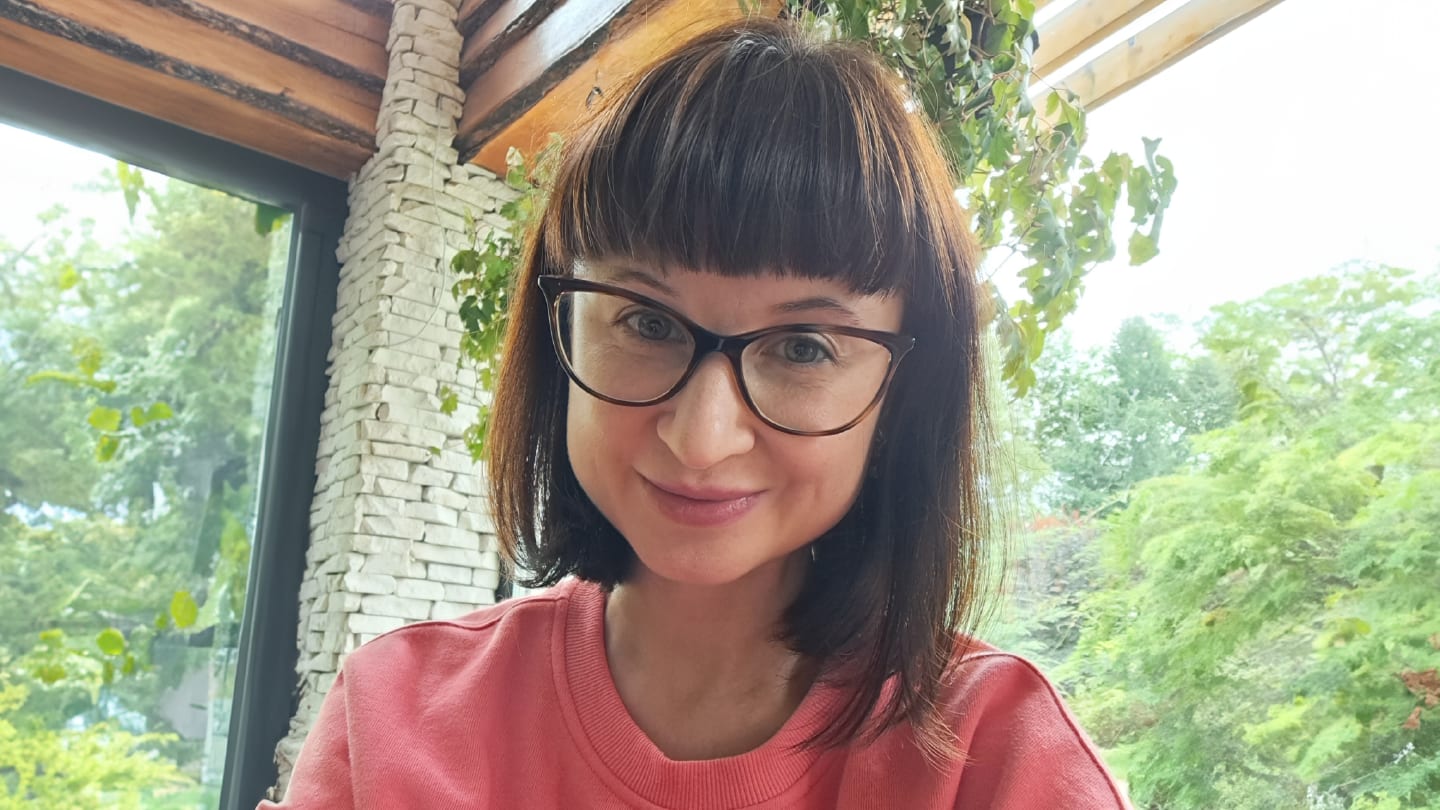
By emphasizing the company’s role in rapid synthesis, compound management, Tier 1 ADME screening and logistics, Tetiana Matviyuk, Principal Scientist, Medicinal Chemistry and CADD, Enamine, discusses the importance of global collaboration in strengthening preparedness for future coronavirus pandemics.
What is different about developing antivirals now than before the COVID-19 pandemic?
First of all, the pandemic revealed a lack of new potential antivirals that can be quickly progressed into drugs and, subsequently, little attention in terms of funding for this field of drug discovery. Consequently, we are seeing increased budgets and greater government support for early stages of antiviral discovery. Additionally, more information has become public with more reliable experimental data available for researchers. An increased number of Open science projects in drug discovery (OpenADMET, OpenBind, etc) and support from the European Commission (OPUS, Horizonsuch), the United Kingdom, and several other governments, have become the main drivers in speeding up the discovery of new, effective treatments. AI is also becoming an increasingly powerful tool that can significantly shorten the discovery cycle and reduce its cost.
Are there any specific challenges that have remained since those days?
We still need much more reliable experimental data that will allow the development of good predictive models for the early stages of discovery and development, as well as further advances in the pre-clinical evaluation of candidate molecules. Efficient collaboration between academia and pharma companies has improved since pre-pandemic times, but still needs a lot of work from both sides. Additionally, there is still a lack of application procedure for drug candidates developed by large collaborations and open science projects, without patenting the substance.
It is testament to the reserve of Ukrainians that you continue to research antivirals amongst geopolitical conflict. What drives you on in this regard?
We, here in Ukraine, must defend and develop our country in every aspect. Enamine, as a scientifically driven company, has always been focused on pushing the boundaries of synthetic chemistry to support scientists and make the drug development process faster and more efficient.
Just how exponential has the increase in candidate numbers become with the introduction of AI into the process?
I would say that we should not only discuss the increased number of candidates but also talk about the quality and time needed to bring a new molecule to the pre-clinical stage. Nowadays, the discovery process is still very expensive and requires three to five years to bring a candidate molecule to this stage. AI has great potential to significantly shorten this timeline and improve cost-efficiency.
How else has the democratization of drug discovery changed the landscape?
Currently, there are a number of open online tools that researchers can use for their projects without expensive licences, which has indeed helped a lot in the early stages. Collaboration between different institutions has also become more popular and easier to set up, leading to more joint projects where different stages/assays/tests are performed at different organizations.
What trends are you seeing in open-science research?
It is difficult to overestimate the tremendous potential of open-science projects. One positive trend we are seeing is the increased involvement and presence of big pharma companies. This could be very beneficial for both academia and pharmaceutical companies, collaborating to make the discovery of new antiviral drugs more efficient, as well as accelerate their time to market.
What effect do you think drug discovery research of this kind has on the overall reputation of the world’s pharmaceutical industries?
We hope that the AI-driven Structure-enabled Antiviral Platform (ASAP) and Covid Moonshot consortia will serve as good examples of productive and effective open-science collaboration, and that they will motivate the scientific community to unite in achieving a shared goal.
Despite some skepticism and difficulties in the early stages, we have demonstrated that collaborative efforts can lead to efficient drug discovery.
Newsletters
Receive the latest pharmaceutical news, personalities, education, and career development – weekly to your inbox.