New Pharma Legislation in Europe
A political agreement has been reached between the European Commission, the European Parliament and the Council of the European Union on a major reform of EU pharmaceutical legislation.
According to a statement from the EMA, the agreement represents the most significant update to the EU medicines regulatory framework in more than 20 years. The revised legislation is intended to modernize how medicines are developed, authorized and monitored across the EU, while maintaining established standards for quality, safety and efficacy.
Planned changes include streamlining scientific and regulatory structures, reducing the number of committees involved in human medicines assessment, and shortening timelines for marketing authorisation procedures. The reforms also place greater emphasis on digitalization and more efficient use of scientific resources.
The legislation is designed to better equip regulators to respond to public health challenges, including antimicrobial resistance, supply shortages and emerging health threats. EMA said the updated rules should also support pharmaceutical innovation while improving patient access to medicines across EU member states.
“By simplifying procedures, embracing digitalisation and rationalising our use of scientific resources, we will be better positioned to support innovation and ensure that promising new treatments reach patients faster. The new legislation also provides us with the tools to deliver on our network strategy to 2028 and address the major public health challenges of the future, from antimicrobial resistance to emerging health threats, said Emer Cooke, EMA’s Executive Director.
FDA Approves New Gene Therapy
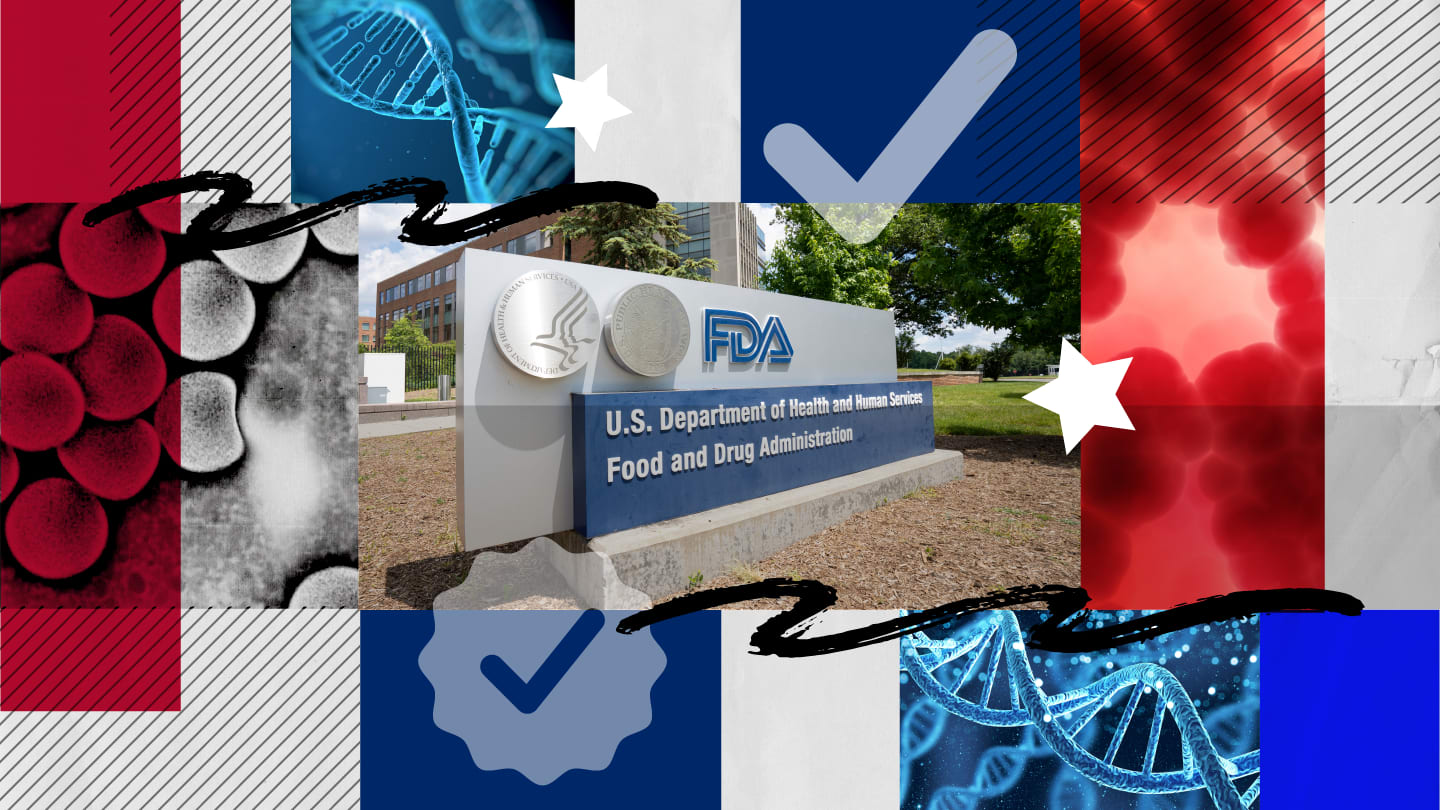
The FDA has approved Fondazione Telethon’s Waskyra (etuvetidigene autotemcel), a gene therapy for the treatment of Wiskott–Aldrich syndrome.
Waskyra is an autologous ex vivo gene therapy in which a patient’s own hematopoietic stem cells are genetically modified using a lentiviral vector to introduce a functional copy of the WAS gene. The therapy is intended for patients with severe disease who lack a suitable matched donor for allogeneic stem cell transplantation.
The FDA approval is based on clinical data demonstrating sustained correction of immune dysfunction, reductions in severe infections and bleeding events, and improvements in platelet counts and immune function following treatment. Patients treated with Waskyra were reported to show durable clinical benefit over long-term follow-up.
Fondazione Telethon developed Waskyra through its research and clinical programs, with commercialization supported by industrial partners. The approval marks the first FDA-authorised gene therapy specifically indicated for Wiskott–Aldrich syndrome.
Moderna Signs Agreement with Nanexa
Nanexa AB has entered into a licence and option agreement with Moderna for the development of products based on Nanexa’s PharmaShell drug delivery technology.
Under the terms of the agreement, Moderna will make an upfront payment of $3 million. The deal also includes the potential for development and commercial milestone payments of up to $500 million, as well as tiered single-digit royalties on future product sales.
Moderna will initially receive a licence to apply the PharmaShell technology to one undisclosed selected compound. In addition, the company holds options to obtain licences for up to four additional compounds following preclinical evaluation. Each option, if exercised, would convert into a separate licence under pre-agreed terms.
PharmaShell is Nanexa’s proprietary drug delivery platform, which uses atomic layer deposition to apply precise, nanoscale coatings to APIs. The technology is designed to enable controlled and extended release of drugs and may improve stability and performance in injectable formulations.
Oversubscribed Financing for Cellular Origins
Cellular Origins has raised $40 million in a Series A financing round to support the development of its automated manufacturing platform for cell and gene therapies.
The round was described as oversubscribed and included participation from new and existing investors. Proceeds will be used to advance the company’s Constellation platform, which is designed to automate and scale the manufacture of autologous cell therapies while maintaining chain-of-custody and reducing manual processing steps.
Cellular Origins was spun out of TTP Group to commercialize manufacturing technologies aimed at addressing capacity, cost and consistency challenges in cell therapy production. The company’s platform uses modular, robotic systems intended to support parallel processing of patient-specific therapies, with the goal of improving throughput and reproducibility compared with traditional cleanroom-based approaches.
Amgen Wins New FDA Approval
Amgen has received FDA approval for Uplizna (inebilizumab-cdon) for the treatment of adults with generalized myasthenia gravis.
Uplizna is a humanized monoclonal antibody that targets CD19-positive B cells. The therapy was previously approved for neuromyelitis optica spectrum disorder and is now authorized for use in a broader autoimmune indication. According to the company, the approval expands the treatment options available for patients with generalized myasthenia gravis, a chronic autoimmune neuromuscular disease characterized by muscle weakness and fatigue.
“This approval marks a significant advancement for people living with gMG,” said Jay Bradner, executive vice president of Research and Development at Amgen. “By selectively targeting CD19-positive B cells, UPLIZNA offers a new approach to treatment that addresses a biological root cause of disease. UPLIZNA is conveniently dosed twice a year and delivers durable efficacy, helping people manage debilitating symptoms that can compromise daily function – including trouble breathing, speaking and seeing.”
The FDA decision is based on results from a phase III clinical trial evaluating the safety and efficacy of inebilizumab in adults with generalized myasthenia gravis. In the study, treatment with Uplizna led to a statistically significant and clinically meaningful reduction in disease activity compared with placebo, as measured by established clinical assessment scales. The therapy was evaluated in combination with standard-of-care treatments.
Long-Term Remission After CAR T Treatment
A patient with relapsed multiple myeloma has remained disease-free for five years following treatment with an investigational allogeneic CAR T cell therapy, according to a case study published by the Cleveland Clinic.
The patient, a 63-year-old woman at the time of treatment, had quadruple-refractory multiple myeloma and had previously received multiple lines of therapy, including autologous stem cell transplantation. With limited remaining options, she was enrolled in a first-in-human clinical trial evaluating an allogeneic CAR T cell product derived from a healthy donor rather than the patient’s own T cells.
The therapy was administered in late 2020. According to the report, the patient achieved a stringent complete response following infusion. She did not experience cytokine release syndrome or significant neurotoxicity. However, she developed prolonged immunosuppression and has required ongoing supportive care to manage infection risk.
Five years after treatment, follow-up evaluations show no evidence of disease recurrence. The case represents a rare example of long-term remission following allogeneic CAR T cell therapy in multiple myeloma.
Newsletters
Receive the latest pharmaceutical news, personalities, education, and career development – weekly to your inbox.