I’ve been working on The Medicine Maker for over a decade. It feels like I’ve written about every topic connected with pharma, and I’ve been fortunate to speak with many inspiring people over the years. I love hearing about how your work is impacting patients.
I also love hearing from not-for-profits – and I love sharing their stories with the medicine making community. Here are three stories that have stuck with me since I first heard them.
1: The impact of drug donations
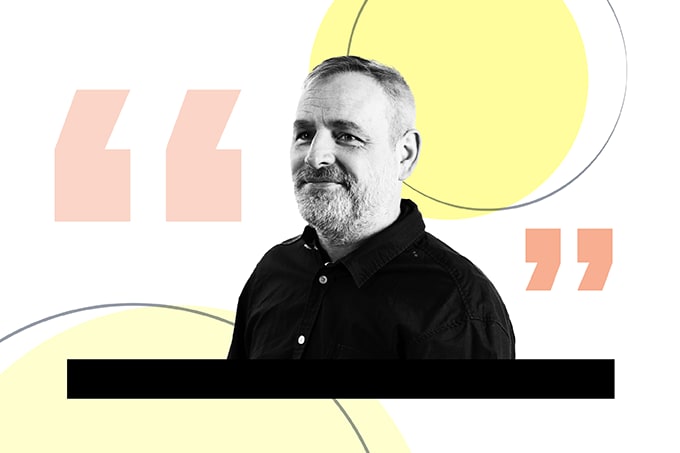
An eye-opening view from the frontlines in Africa – where drug donations are making a huge difference. This article from 2020 features Simon Bush, who at the time was the Director of Neglected Tropical Diseases at Sightsavers.
“The impact that neglected tropical diseases can have on communities really hit home for me in 1999. At the time, I was the Regional Director at Sightsavers for West Africa. I went on a field trip to Mali, where I traveled to a village a few hours outside of Bamako. Half of the village’s population was blind due to onchocerciasis – otherwise known as river blindness.”
“Recently in Ghana, where I live, I traveled to some communities where Sightsavers has been distributing drugs for river blindness and lymphatic filariasis. One lady told me that our work makes life sweeter. I’ve read a lot of case studies about our work and how it empowers workers and communities to increase agricultural production, but when somebody simply tells you that your work makes their life sweeter, it really means something.”
“For those of you who are removed from direct interaction with the patients afflicted by tropical diseases – for example, policymakers or professionals in pharmaceutical companies or research organizations that develop or donate drugs for neglected tropical diseases – please remember that your work really matters. It is making a huge difference to human lives.”
Read the full article with Simon Bush
2: A non-profit model for manufacturing
Shortages and high prices for generic medicines in the US have been a huge issue for hospitals and patients. In 2018, an ambitious project was announced: “Project Rx.” The goal was to establish a viable not-for-profit generic drug manufacturer. The plan was backed by several US health systems and a number of big names in the manufacturing industry, including Martin Van Trieste, former chief quality officer at Amgen, who signed up to help.
And it’s working. The company is called Civica Rx. In this article, I spoke with experts about Civica’s facility in Petersburg, Virginia. Matt Clifton, business development manager at Groninger, one of the suppliers for Civica, said: “A lot of people in the industry were watching them closely. They had smart people on the business side and significant industry leadership with a ton of manufacturing experience. However, I think there was some doubt early on about whether they could pull it off and if there would be any compromises on quality. But they’ve done it – their products are excellent and their facility is one of the best facilities I’ve visited. They use high-end solutions and they understand what they are doing. They are top tier in the industry.”
3. Cancer and the importance of collaboration
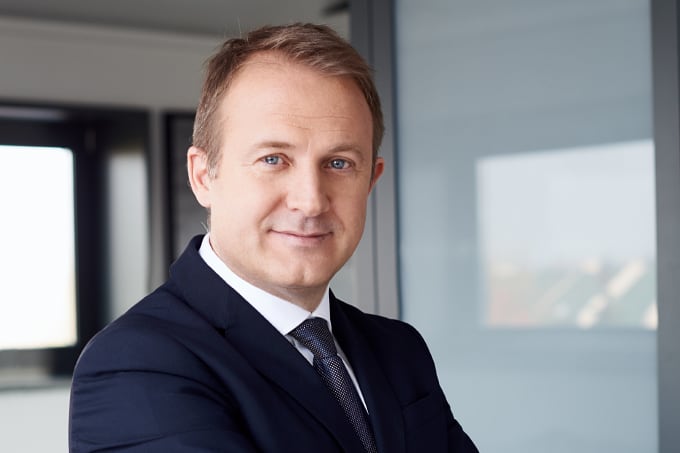
That’s such a generic headline, isn’t it? So many pharma companies talk about partnerships and the importance of collaboration. People talk about it so much that it’s easy to switch off. But this is an interview that really brings it home. Meet Lars Erwig, Director of the Centre of Drug Development at Cancer Research, UK. He wanted to become a scientist after his mother died of cancer when he was just 11 years old.
“There is a much lower financial incentive to develop treatments for rare indications; the challenge of recruiting from smaller patient populations pushes up the development costs, and the limited market size makes it even harder to recoup that cost. Orphan drug designation and other regulatory measures encourage more investment in rare diseases, but there is still a gap in available treatments. Non-profit organizations are crucial to filling that gap. If we do not fund these trials, no one else will.”
Read the interview with Lars Erwig
Newsletters
Receive the latest pharmaceutical news, personalities, education, and career development – weekly to your inbox.