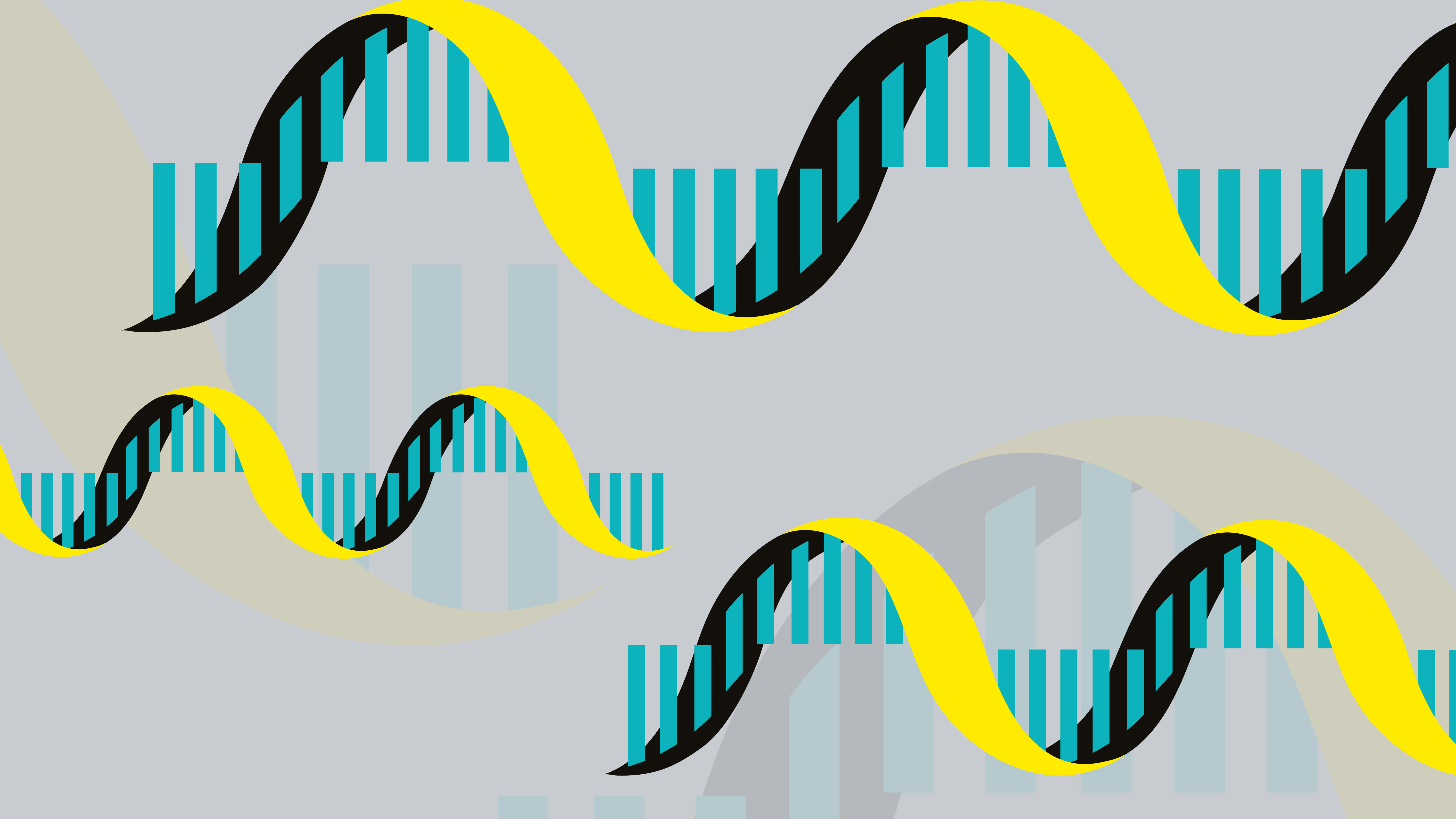
An experimental gene-editing therapy has shown striking early results in people with severe sickle cell disease. In a phase 1-2 study, renizgamglogene autogedtemcel, or reni-cel, used CRISPR-Cas12a to edit patients’ own blood stem cells at the HBG1 and HBG2 promoters, with the aim of reactivating fetal hemoglobin production. Among 28 treated patients, total hemoglobin rose from a mean of 9.8 g/dL at baseline to 13.8 g/dL by six months, while fetal hemoglobin increased from 2.5 percent to 48.1 percent.
The clinical effect appeared equally notable. Twenty-seven of the 28 patients had no severe vaso-occlusive events after infusion; the remaining patient had two. F-cell levels rose to more than 99 percent by month 6, suggesting near-pancellular distribution of fetal hemoglobin, a key goal in reducing sickling. Engraftment was also robust, with neutrophil recovery at a median of 23 days and platelet recovery at 25 days.
“We have seen that a benefit of this CRISPR/Cas12a gene-editing technology is that there is no rejection, so it's different from traditional bone marrow transplants, which is standard treatment for sickle cell patients currently,” said Rabi Hanna, lead author and chair of the Pediatric Hematology – Oncology & Blood and Bone Marrow Transplant Division at Cleveland Clinic Children’s, in a press release. “Our aim has been to achieve a functional cure to help prevent any future damage caused by sickle cell disease, and these latest results are compelling.”
Safety findings were broadly consistent with busulfan-based conditioning and autologous stem cell transplantation, including febrile neutropenia, stomatitis, and mucosal inflammation. Although the RUBY trial was terminated early after Editas Medicine shifted development priorities, the results support promoter editing as a promising route for fetal hemoglobin reactivation in sickle cell disease.
Newsletters
Receive the latest pharmaceutical news, personalities, education, and career development – weekly to your inbox.