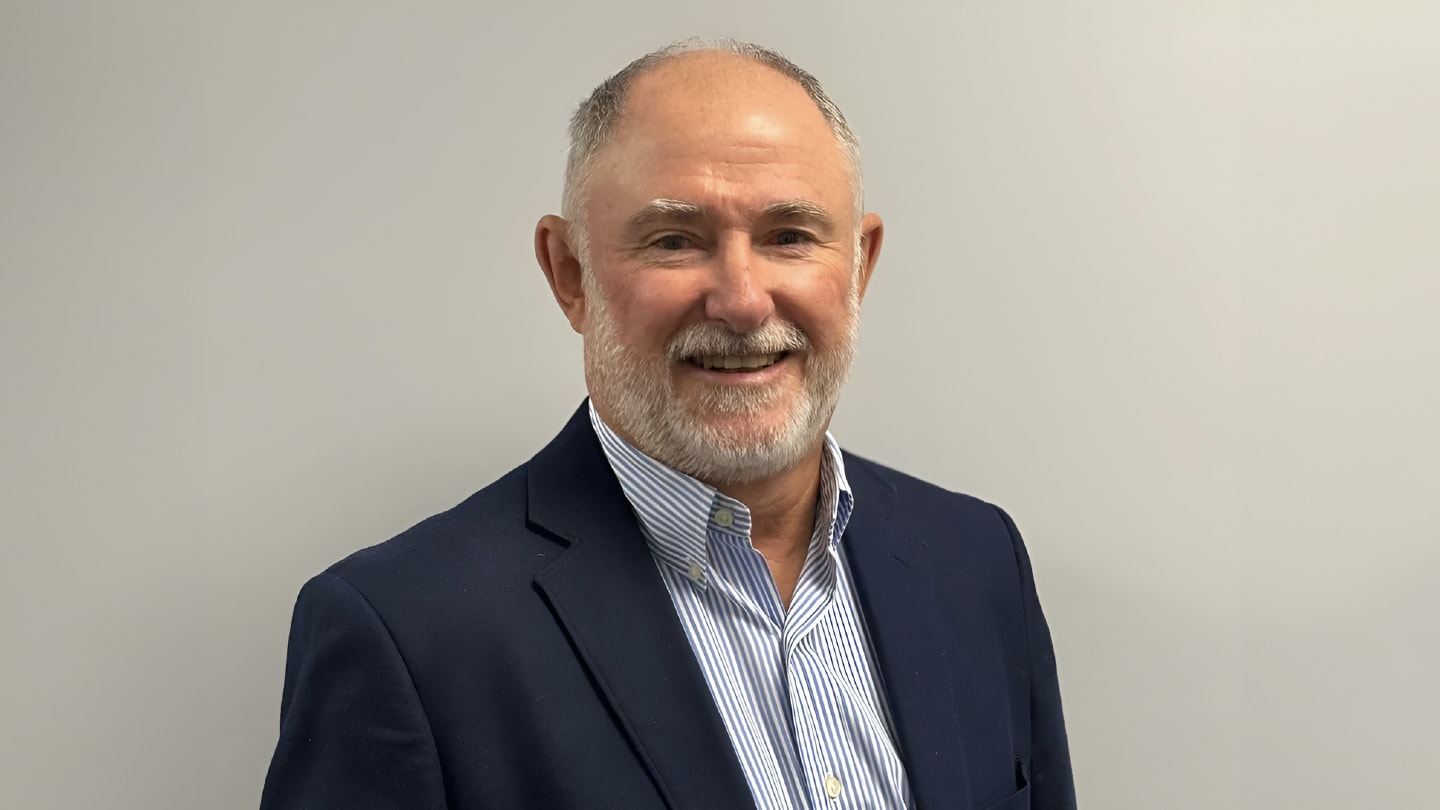
From improving access to therapies for underserved patient populations to tackling the formulation hurdles of pediatric medicines, Greg Thomas has built a career at the intersection of science and real-world patient need. As Vice President of Research & Development at Kiel Laboratories, he has helped guide projects spanning generic solid and liquid dosage forms, extended-release products, and optimized formulations for pediatric and geriatric use.
In this interview, Thomas shares how his early background in medicinal chemistry and pharmacology shaped his approach to drug development, what made the Vyscoxa project uniquely challenging, and why the next generation of formulation scientists will need to pair technical depth with digital fluency and cross-disciplinary collaboration.
Can you tell us a bit about your background, your current role, and what first sparked your interest in R&D?
My academic training in medicinal chemistry and pharmacology led me to basic research early in my career, including drug metabolism and purification of tumor-derived melanoma growth factors. I wanted to be more closely involved in providing medications to patients in need of new therapies or optimized dosage forms and this led me to seek a role in industry. I spent 10 years in analytical development and drug metabolism before joining Kiel Laboratories, eventually assuming my current role as Head of Research and Development.
At Kiel, what kinds of projects do you get involved with – and what do you enjoy most about working in a smaller organization?
Working at a small company like Kiel has allowed me to be involved in many areas of pharmaceutical research and development – including head lice studies in Guatemala and the US; the development of solid and liquid generic dosage forms; the development of extended release dosage forms of common antihistamines, decongestants and antitussives; and optimized dosage forms for use in pediatric and geriatric patients.
The projects that I most enjoy are those that identify and address the needs of underserved or overlooked patient populations.
You were recently involved in the Vyscoxa project. Can you walk us through the goals, how the work began, and why a liquid dosage form was needed?
The initial goal of the Vyscoxa project was to develop an oral solution, not an oral suspension. This proved difficult as a result of the broad dosing regimen and the extremely limited solubility of celecoxib in aqueous solutions. The need for a liquid dosage form is primarily due to the use of Vyscoxa in juvenile rheumatoid arthritis for patients down to the age of 2 years. The only approved dosage form at that time was a hard gelatin capsule that in many instances could not be swallowed by younger patients and required opening the capsule and sprinkling the contents on applesauce or other foods.
Oral suspensions can be notoriously difficult to develop. What makes them so challenging, especially for pediatric patients?
Some of the challenges for suspension development include palatability and taste (especially for younger patients), poor oral bioavailability of the API itself requiring optimization of the drug release profile, and chemical and physical stability of the suspension.
When you’re tackling a complex formulation project like this, what does your development approach look like from early-stage work through to a viable commercial product?
For projects of this type we define the desired properties of the suspension in a Target Product Profile, which also includes the critical quality attributes of the suspension and types and grades of excipients. During our small-scale development we assess each of these product characteristics to determine the likelihood of success for each property.
Our initial targets are to determine the critical factors for optimum stability of the finished dosage form as an adequate shelf-life is essential for successful commercialization of the product. Once the key factors in achieving acceptable chemical and physical stability of the suspension are defined other factors like palatability and taste are considered along with the desired drug release profile for the finished dosage form
The project ultimately required a novel excipient. What are the main challenges of using novel excipients, and what regulatory hurdles come with that decision?
In my opinion, the primary challenge of using novel excipients is assembly of the body of information necessary to demonstrate that the excipient is safe to use at the level required in the finished dosage form. A critical factor in assembly and presentation of the necessary data to the regulatory authority is the information available from the manufacturer/supplier of the excipient.
What made a novel excipient worth pursuing in this case – what problem did it solve that standard excipients couldn’t?
The initial development of the proposed suspension did not include the novel excipient. Other commonly used excipients were used instead. The addition of the novel excipient to the finished dosage form was required to achieve acceptable homogeneity of the suspension and the desired in vitro dissolution profile.
What lessons from the Vyscoxa project do you think apply most broadly to other challenging dosage forms?
Selection of excipients that exhibit minor chemical or physical differences can often have a significant impact on the desired product profile in many dosage forms. Optimization of these desired characteristics is often key to a successful development project.
Based on your experience at Kiel and across customer projects, what formulation trends are you seeing right now across the industry?
The increasing prevalence of chronic diseases like cancer, diabetes, and Alzheimer’s and the need to address the needs of specific patient populations with different dosing requirements/regimens is fueling the growing demand for complex formulations. This in turn is creating the need for more specialized manufacturing solutions to address the requirements for complex generics, biologics and advanced delivery systems.
Looking ahead, what skills will formulation scientists need most to keep pace with increasingly complex therapies and delivery systems?
Future skills for formulation scientists will likely include digital fluency (AI, automation, etc.), data science and analysis, and multidisciplinary collaboration to adapt to new technologies and regulatory changes. Adaptability and flexibility to quickly pivot to new methodologies and embrace change will be key.
Is there anything else you’d like to add?
As R&D departments become less siloed in the future, the ability to work and communicate effectively with diverse groups – AI specialists, engineers, regulatory experts – will serve formulation scientists well.
Newsletters
Receive the latest pharmaceutical news, personalities, education, and career development – weekly to your inbox.