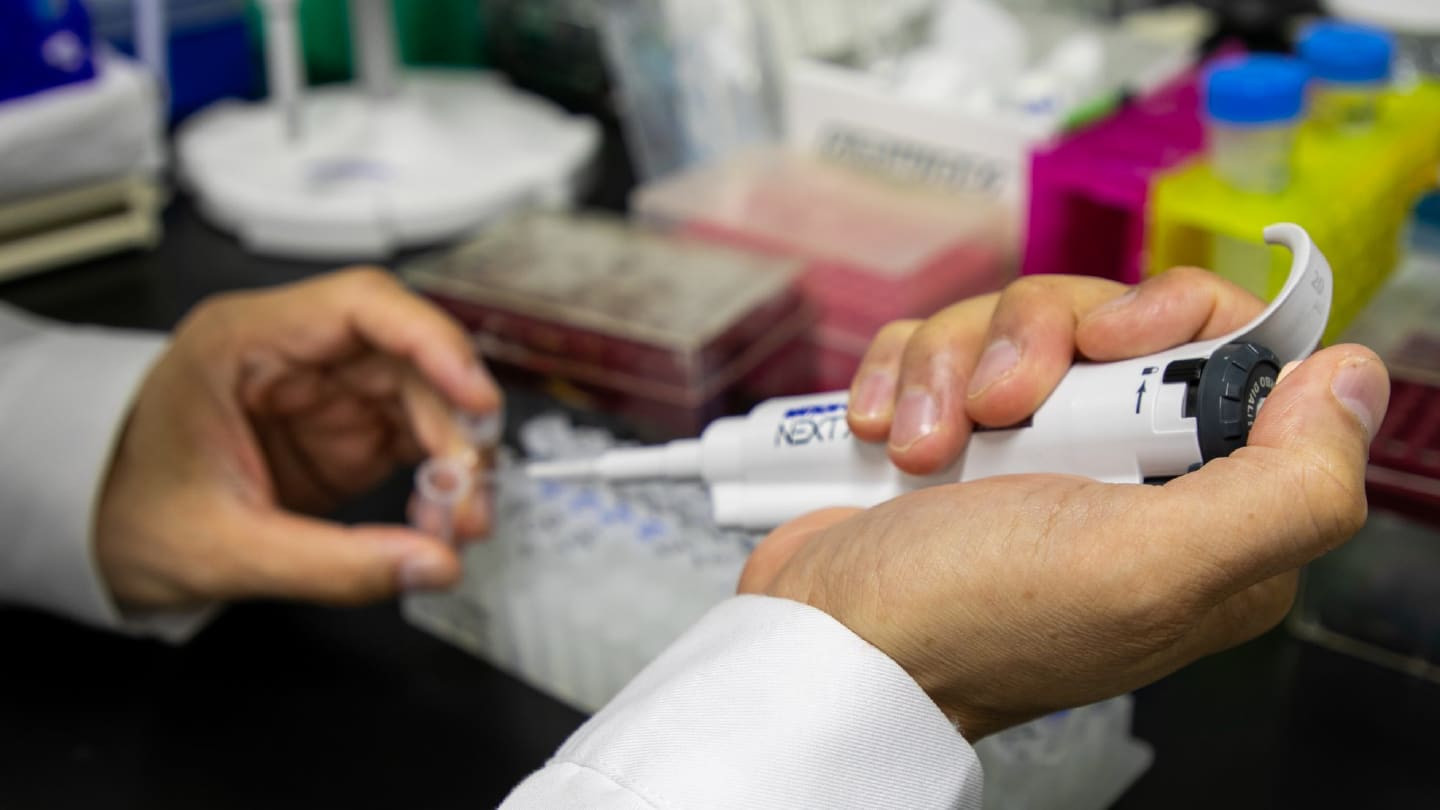
Top Institutions in Biomedical Research and Drug Discovery
Ranking is based on known institutional leadership in biomedical research, drug discovery, translational medicine, and integration of advanced technologies such as gene and cell therapies, RNA therapeutics, and AI-driven platforms.
-
#1
Novartis Institutes for BioMedical Research
Cambridge, Massachusetts
Novartis is a global leader in pharmaceutical research with integrated facilities in Cambridge, Basel, and soon San Diego, pioneering advanced drug discovery platforms and translational research.
Key Differentiators
- Drug Discovery
- Biomedical Research
- Oncology
- Neuroscience
- Genetics
-
#2
Broad Institute of MIT and Harvard
Cambridge, Massachusetts
The Broad Institute is a world-renowned genomics and biomedical research center with strong expertise in human genetics, computational biology, and translational medicine.
Key Differentiators
- Genomics
- Biomedical Research
- Computational Biology
- Neuroscience
-
#3
Scripps Research Institute
La Jolla, California
Scripps Research is a leading independent biomedical research institute with a strong focus on drug discovery, neuroscience, and chemical biology, located near the new Novartis facility.
Key Differentiators
- Drug Discovery
- Biomedical Research
- Neuroscience
- Chemical Biology
-
#4
Stanford University School of Medicine
Stanford, California
Stanford Medicine is a top academic medical center with cutting-edge research in genetics, oncology, and neuroscience, integrating AI and computational biology in translational research.
Key Differentiators
- Biomedical Research
- Genetics
- Oncology
- Neuroscience
-
#5
University of California, San Diego (UCSD) Health Sciences
San Diego, California
UCSD is a major academic health center with robust programs in neuroscience, oncology, and regenerative medicine, closely integrated with the San Diego biotech ecosystem.
Key Differentiators
- Biomedical Research
- Neuroscience
- Oncology
- Regenerative Medicine
This content is an AI-generated, fully rewritten summary based on a published scholarly article. It does not reproduce the original text and is not a substitute for the original publication. Readers are encouraged to consult the source for full context, data, and methodology.