“What has kept me in the industry for almost 30 years now is really that sense of passion – and the patient at the end of it. What gets me up in the morning is knowing that we’re doing things that genuinely help people. We develop and manufacture drugs, that help people live better lives. It is incredibly exciting.”
The biopharma landscape is shifting under the combined weight of geopolitical pressure, scientific diversification, and changing expectations around supply chains and sustainability. Growth is no longer simply a matter of scaling capacity. Instead, it requires navigating competing forces that shape where and how medicines are made, and which technologies will define the next decade. Few corners of the industry illustrate this complexity more clearly than the contract development and manufacturing sector, where companies must anticipate not only scientific trends but also the strategic decisions of their customers.
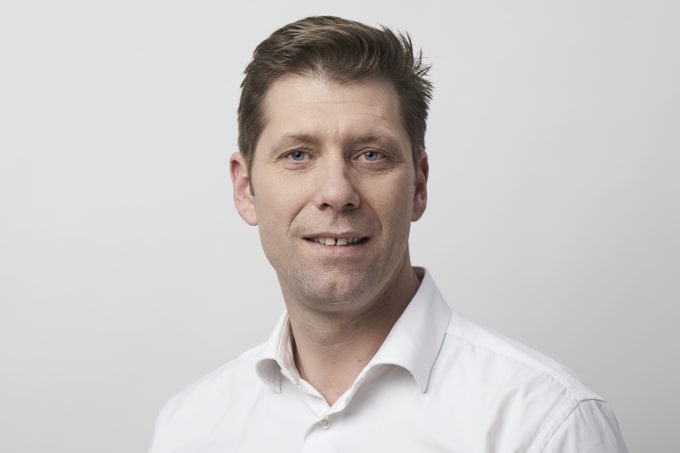
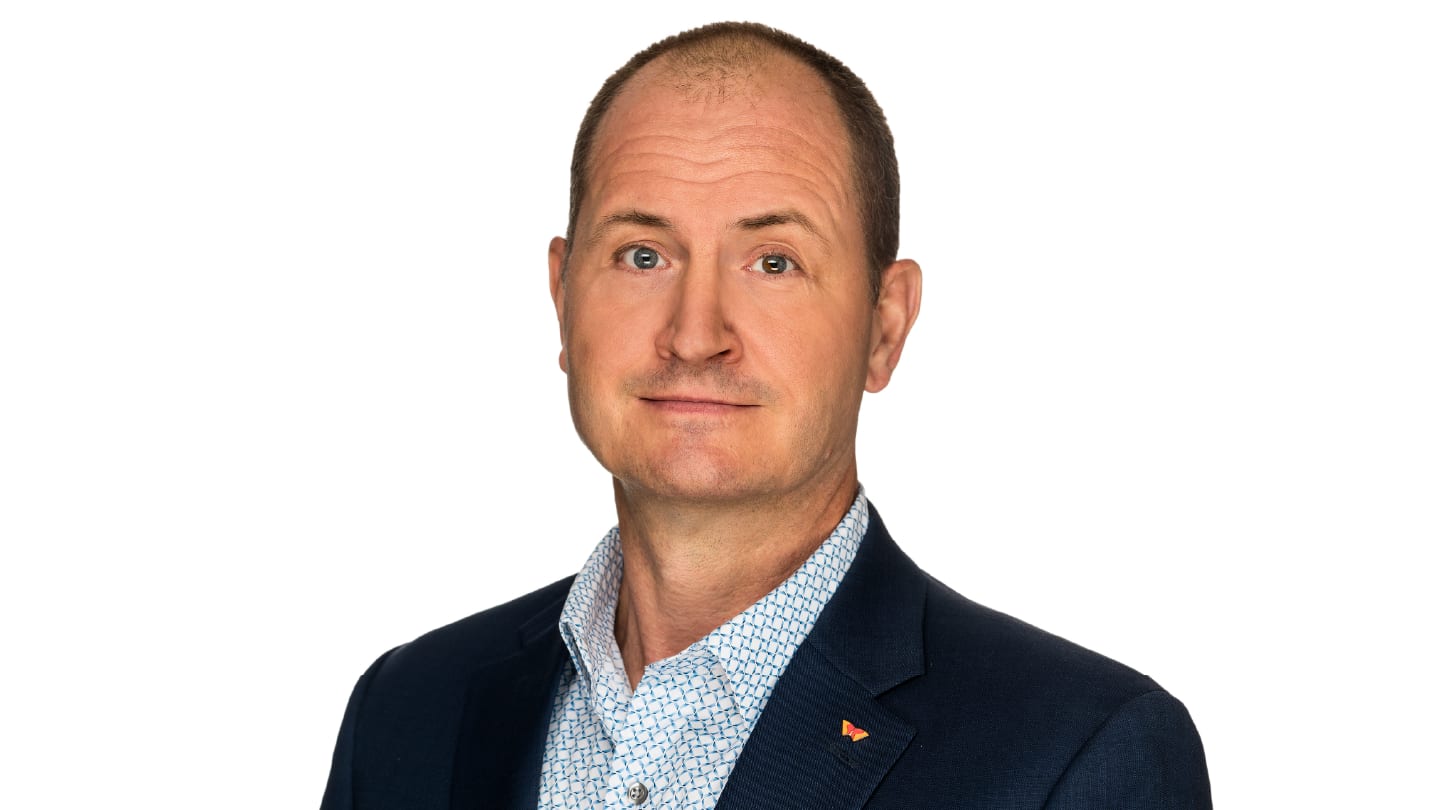
Here, we speak with Joerg Ahlgrimm, CEO of SK pharmteco about his career, the challenges in the outsourcing space, and why he continues to be passionate about what lies ahead.
How did you get involved with pharma and biotech, and what has kept you motivated about the industry?
Ending up in pharma was pure accident – or incident, if you will. During my university degree, I had to do an internship. I grew up in Germany and my degree was in industrial engineering. I sent applications to every car maker in Germany, as well as many other companies. I ended up at a pharmaceutical company in my hometown.
But what has kept me in the industry for almost 30 years now is really that sense of passion – and the patient at the end of it. What gets me up in the morning is knowing that we’re doing things that genuinely help people. We develop and manufacture drugs, that help people live better lives. It is incredibly exciting.
As I progressed in my career, I also discovered how much I enjoy working with people and achieving great results together with teams. That is the other major thing that motivates me.
What are some of the most memorable moments in your career to date?
During my first job, there was an FDA inspection. It was the first FDA inspection that the facility had ever undergone. I was fresh out of university and I had never seen an FDA inspection before! Being part of the preparation team and then achieving a successful outcome and approval for that product was a huge milestone for me.
Later in my career at Baxter, we launched several transformative products. One of them was Advate, the first completely protein-free recombinant factor VIII for hemophilia patients. We were also involved in the swine flu response and delivered vaccines to the US government. Experiences like those stay with you.
On a personal level, my international moves were also significant. I moved to Vienna and then to the US. Having grown up in East Germany, I never expected to see much beyond the seven communist countries that surrounded the USSR at the time. Yet here I was, just a few years after the wall came down, sitting in California and working for a major pharmaceutical company. That felt extraordinary.
Joining Lonza was another major chapter. Being part of a large acquisition and the subsequent integration of the company was very impactful. And then I moved to the Center for Breakthrough Medicines. I was employee number four in a cell and gene therapy startup – and I needed a completely different scale and mindset.
Most recently, my time at SK pharmteco has created many meaningful memories. Becoming a CEO and working closely with clients has been especially rewarding. When we hear that our strategy resonates, that our work is valued, and that we’re seen as a strong, essential supplier for many companies, it makes me genuinely proud.

How did you get involved with SK pharmteco?
To some extent, the company came to me. At the time, I was the CEO of the Center for Breakthrough Medicines, and we were desperately looking for an investor. That search led us to SK, which ended up making a minority investment in the Center for Breakthrough Medicines.
Around that time, the CEO of SK retired, and I was asked if I was interested in taking on that role – especially with the expectation that SK pharmteco would eventually take a majority stake in the Center for Breakthrough Medicines, which they ultimately did a while later.
What are the biggest trends right now shaping the biopharma landscape?
There are major forces at play, such as the geopolitical environment. It is impossible to escape the fact that manufacturing in the US has once again become almost a requirement for innovator companies that want reliable access to the market. For us as a company, that is a good thing because we already have capacity in the US, but many organizations aren’t in that position, which means that supply chain resilience and regionalization will only become more important.
We’re also seeing a lot of market consolidation and significant investment activity. Mergers and acquisitions continue, with the standout example still being Novo Holdings’ acquisition of Catalent, and then the subsequent sale of three plants to Novo Nordisk. From a CDMO industry perspective, that is a remarkable event.
We’re also witnessing contraction among CDMOs in the advanced therapy space. Facilities are being closed, people are being laid off, and some companies are going under entirely. It reflects the reality that cell and gene therapies still need a few more years to reach the level of maturity the field ultimately deserves.
You’ve recently expanded one of your facilities. What influenced this decision?
SK pharmteco already had strong manufacturing capability and capacity in Europe, Asia, and the US in the small-molecule space. About two years ago, we also made the decision to enter the peptide business. A key milestone was our announcement to build a large-scale peptide plant in Sejong, South Korea with a $260-million investment.
After that, we recognized that our peptide strategy needed to align with our small-molecule strategy. If we offer small-molecule manufacturing from three regions around the world, then we should be able to offer peptides from those same regions. The next steps were quite logical. We’ve already built strong development capabilities in Korea and now we are investing in the US to establish similarly strong development capabilities there.
As demand grows, we’ll prepare for additional investments in line with customer needs. At the same time, we’re actively evaluating what it would take to eventually do this in Ireland, so we can follow our strategy consistently; being present with our core offerings in all three major regions.
Beyond peptides and GLP-1s, what else is driving demand, what other trends are you seeing in therapeutics and customer pipelines?
When you compare the therapeutic landscape to when I started, it’s almost unrecognizable. Back then, you essentially had small molecules and biologics. Today, pipelines are extremely complex and diverse, with peptides, oligonucleotides, ADCs, bispecific and trispecific antibodies, and all the different modalities within cell and gene therapy and the broader advanced therapy space.
The name of the game now is being able to handle that complexity. From an innovator’s perspective, you need internal capabilities to develop products across all these very different manufacturing platforms. And from a CDMO perspective, your customers typically have portfolios that span many modalities.
I also still believe there’s a trend, especially among mid-sized and large companies, to rationalize their supplier networks over time. This means that a CDMO has to offer more than one modality.
Another key trend in the industry is sustainability. What conversations are you having with customers and how are you responding?
If you want to be successful in driving a sustainability agenda, then you have to genuinely believe it’s the right thing to do.
We are part of a larger Korean conglomerate, which is one of the top 100 companies globally in terms of advancing sustainability across all its businesses. Our sustainability program is, first and foremost, homegrown.
In the chemical industry, which is still the core of what we do, sustainability naturally focuses on reducing inputs wherever possible, including solvent reduction, solvent recycling, energy consumption and water consumption. In 2025, we earned four My Green Lab certifications. Two were the program’s highest level: Green. Two others received gold.
We are striving to meet the expectations our customers have for us, but I want to stress that we’re not doing this because a customer demanded it; we’re doing it because, as a company, we believe it’s the right thing to do. And if you approach it smartly, you can find ways to make your overall operations more efficient.
For me, sustainability is also rooted in safety, which means that taking care of our employees is a critical part of the picture. Right now, we’re performing at industry-leading safety indicators, and we’re beating the benchmarks we know in the industry. These are major points of pride.
What are the challenges that will shape 2026?
I believe the industry has finally worked its way through the post-COVID hangover. For the most part, companies are back on a path of growth and investment, although there are still challenges in the advanced therapy space.
The biggest competition for CDMOs isn’t necessarily other CDMOs, but the ongoing desire for internal build. The most important thing for any CDMO in this environment is to deliver excellent performance to clients. As long as outsourcing remains the second-best strategic option, there will always be a risk that companies will invest in building capabilities internally instead, which would cannibalize parts of the CDMO industry.
At SK pharmteco, we always keep in mind what it takes to make outsourcing to us the first-best option, not the second. How do we add value beyond simply being a transactional supplier or vendor? How do we become a true partner? Those questions matter.
At the same time, I’m very excited in the industry by the sheer number of great therapies coming to market across so many technology platforms. If you think about why we are in this industry, it’s incredibly motivating to see, year after year, how much progress is being made in tackling diseases that previously had no real treatment options. To see new therapies coming to patients who genuinely need them continues to motivate me.
What are the company’s plans for next year?
For us, it’s very important to stay the course. We believe we have the right footprint, the right strategy, and a real opportunity to be a leader in the small molecule and peptides space.
In the advanced therapy space, I hope to see more clinical and commercial successes that help investment return to the sector. The promise of advanced therapies is still very real in my view – and I believe it will be fulfilled in the future. There is enormous potential in this field to combat some of the most deadly and devastating diseases in the world.
Beyond that, I’m very happy and proud to be leading SK pharmteco, and I hope all of our customers continue to be pleased with the work we are doing!
Newsletters
Receive the latest pharmaceutical news, personalities, education, and career development – weekly to your inbox.