What was your biggest professional highlight of the past 12 months?
One of the most exciting moments from earlier this year was seeing the first dual-payload antibody-drug conjugate (ADC) developed by Hummingbird Bioscience, in partnership with Callio Therapeutics, enter the clinic.
It is incredibly rewarding to see a new therapeutic modality that we helped establish reach patients. Moving an idea from discovery into clinical testing is always a major milestone, and seeing that science begin to make a real-world impact has been a real highlight.
Where is the biopharma industry making real progress that isn't getting enough attention?
I think the answer lies in immunology.
Although much of the excitement in oncology has shifted from immuno-oncology toward antibody-drug conjugates in recent years, serious work in immuno-oncology has continued in academia, in industry and among clinicians.
What is emerging from that work is a change in how we approach the problem. Rather than simply developing another checkpoint inhibitor, the field is moving toward more sophisticated, engineered ways of harnessing the immune system.
If we can achieve a strong adaptive anti-tumor immune response, it has the potential to offer patients durable disease control and better long-term outcomes. With the fusion of different ideas across ADCs, T-cell engagers, and immuno-oncology, I think the foundational science being done today will have a significant impact over the coming years.
What is the biggest bottleneck slowing progress in drug development – and how do we fix it?
Drug development has an undeserved reputation for moving slowly. People often point to the many years it can take to move from a scientific discovery to an approved medicine, but within that process, things are moving incredibly quickly. Scientists are constantly improving how we use data, predictive models, manufacturing, and translational biology to make better decisions earlier.
Despite that progress, clinical trial execution remains the most time-consuming part of drug development, for sound ethical, regulatory and structural reasons. Improving clinical trial execution, and making better use of the data those studies generate, offers one of the biggest opportunities to accelerate innovation.

What's one widely held belief in your field that you disagree with – and why?
I don't think there is a single widely held belief. Biopharma is full of very thoughtful, bright people approaching difficult problems from first principles. Rather than challenging a particular belief, I think we need to adopt new capabilities more quickly.
Increasingly, drug discovery should be approached as an engineering challenge as much as a scientific one. Better design principles, iterative feedback loops, and the intelligent use of data can help us build better molecules more efficiently. That engineering mindset has enormous potential to improve how we discover and optimize new medicines.
How can the pharmaceutical industry become more resilient in an increasingly uncertain world?
The industry's greatest challenge has always been the high cost – and risk – of developing new medicines. Consequently, biotech has historically been considered a high-risk investment. This is incredibly unfortunate because it slows down scientific and medical progress, with insufficient resources available to invest in the discovery and development of critically needed medicines.
Anything that improves efficiency – whether shortening timelines, lowering costs, or improving decision-making – strengthens the industry's resilience by making investment in innovation more attractive. That means making better use of global development capabilities, allowing different regions to play to their strengths, while embracing new technologies such as artificial intelligence that are beginning to address some of the most difficult scientific challenges in drug discovery and development.
Ultimately, improving efficiency benefits the entire ecosystem and helps reduce the cyclical changes in sentiment and risk appetite for investing in biopharma.
If you could introduce one policy change to accelerate progress in drug development, what would it be – and why?
Rather than making sweeping regulatory changes, I would encourage greater dialogue between regulatory agencies.
Our experience has been that regulators are thoughtful and science-driven. There is opportunity for agencies to collaborate, improve risk management, and adopt best practices where appropriate.
What will look completely different about drug development in 10 years?
I believe we'll rely far less on animal models. Advances in artificial intelligence, computational biology, and increasingly sophisticated laboratory models are making it possible to predict both efficacy and toxicology much more accurately than before.
There is still significant work to do, but these technologies have the potential not only to accelerate development, but also to produce models that better reflect human biology and narrow the translational gap between preclinical research and clinical outcomes.
Do you think your younger self would be surprised to see the career you've had?
Very much so. I trained as a mathematician and could never have imagined that I would be working a couple of decades later in drug discovery and development.
In many ways, though, that journey reflects how interdisciplinary drug discovery and development has become. Mathematics, data science, engineering, biology, and medicine are increasingly intertwined, and that convergence is helping reshape how new medicines are discovered and developed.
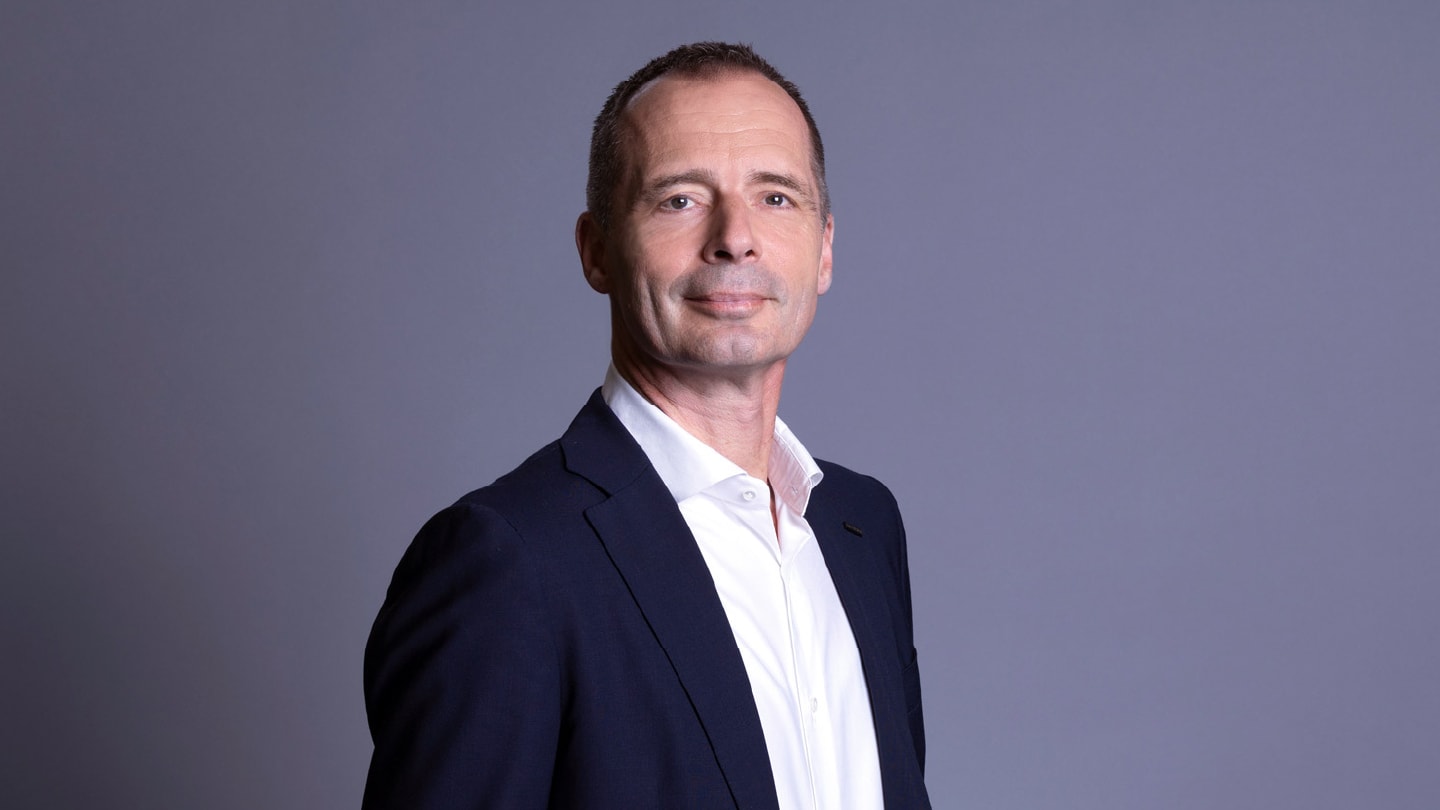
Piers Ingram, Chief Executive Officer, Co-Founder, Hummingbird Bioscience
Newsletters
Receive the latest pharmaceutical news, personalities, education, and career development – weekly to your inbox.