Objective:
To discuss the current state of biosimilars in the US and the barriers preventing their market entry and cost savings.
Approach:
- Regulatory Context: The article outlines the regulatory framework established by the Biologics Price Competition and Innovation Act (BPCIA) and the challenges faced by biosimilars in achieving market entry.
- Economic Potential: It highlights the potential savings of $44 billion over the next decade from biosimilars, as projected by the RAND Corporation.
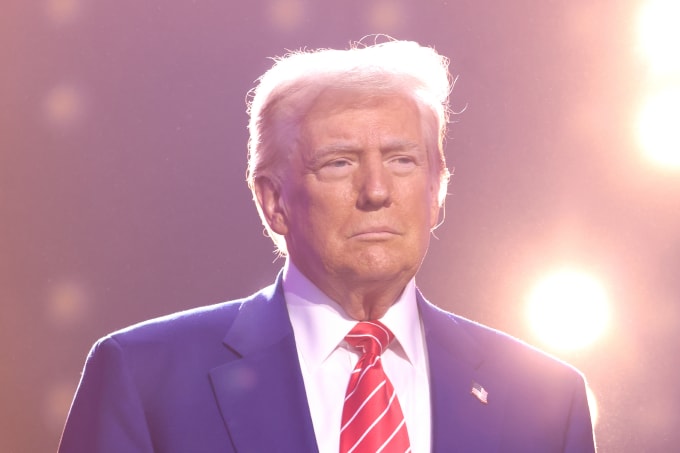
- Political Influence: The article discusses the potential impact of the Trump Administration on biosimilar regulation and market access.
- Proposals for Improvement: It suggests three measures to enhance biosimilar use: implementation of interchangeability, launch at approval, and pro-generic penetration mechanisms.
Key Findings:
- Biosimilars have not yet achieved meaningful societal savings despite regulatory frameworks.
- The Trump Administration's policies could potentially ease market access for biosimilars.
- Current regulations require biosimilar makers to wait six months post-approval before launching products.
Interpretation:
The biosimilars sector faces significant hurdles, including a lack of interchangeability guidance and ongoing litigation, which may delay their market entry.
Limitations:
- The article does not provide specific data on the current number of biosimilars available in the market.
- It lacks detailed analysis on the impact of ongoing litigation on biosimilar development.
Conclusion:
The article emphasizes the need for regulatory changes to facilitate the entry of biosimilars into the market to realize their potential cost savings.
Sources:
This content is an AI-generated, fully rewritten summary based on a published scholarly article. It does not reproduce the original text and is not a substitute for the original publication. Readers are encouraged to consult the source for full context, data, and methodology.