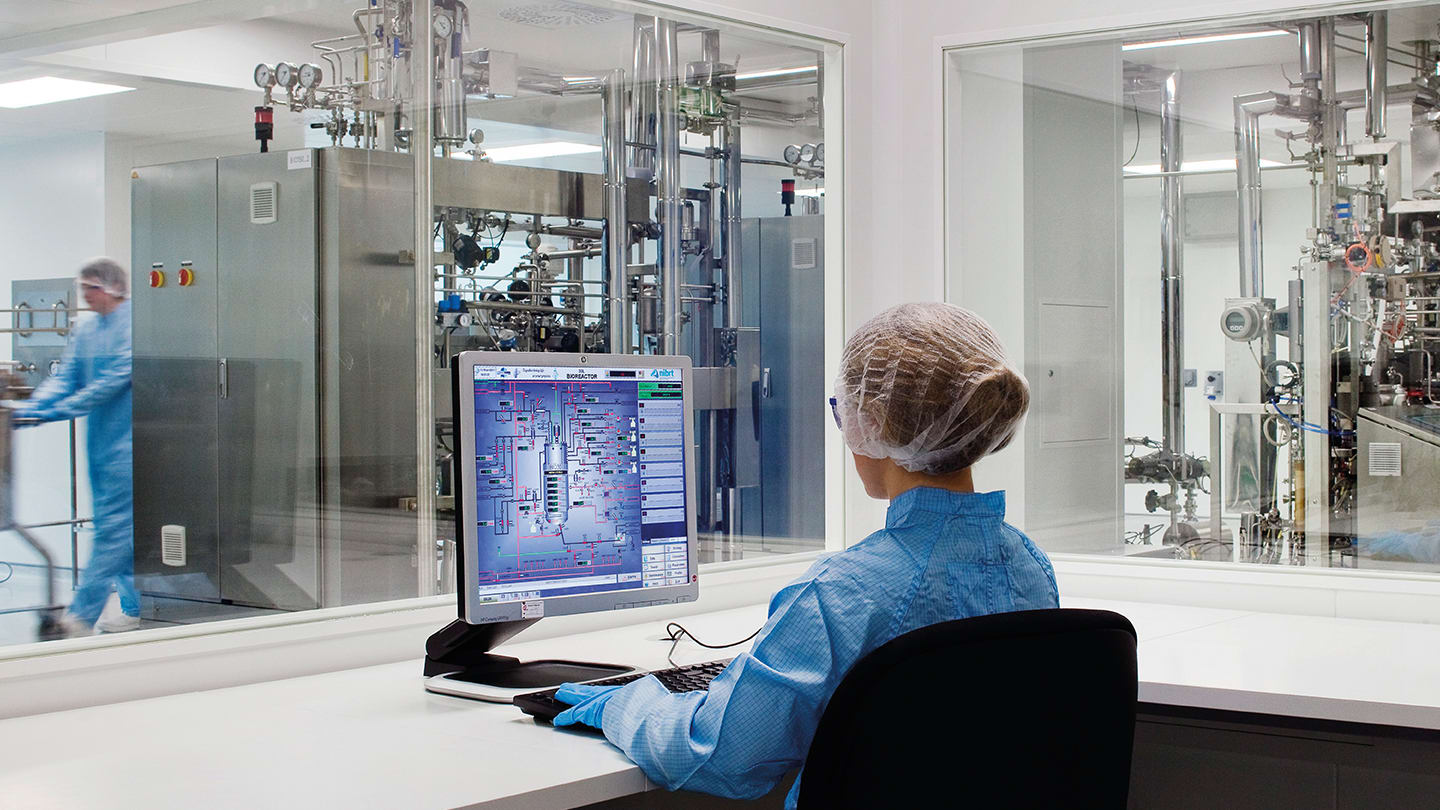
Fujifilm and HORIBA have co-developed a high-sensitivity inline Raman measurement system for real-time monitoring of cell culture and purification processes in biopharmaceutical manufacturing.
The system combines a HORIBA Raman spectrometer, a Fujifilm single-use probe, and Fujifilm’s proprietary measurement algorithms to monitor component concentrations directly inside bioreactors and process equipment. According to the companies, the system can continuously analyze cell culture media and purification solutions without requiring samples to be removed for offline testing.
The companies say the technology is intended to address a persistent challenge in biomanufacturing: small changes in process conditions can affect product quality and yield, but conventional offline analytics make it difficult to track those changes in real time. The system applies Raman spectroscopy to provide non-destructive, inline chemical analysis during manufacturing.
In antibody drug purification, Fujifilm reports that the system improved antibody yield by approximately 10 percent compared with conventional UV-Vis-based process control methods in demonstration tests using model experimental systems. The companies say this reflects the ability of Raman analysis to distinguish antibodies from impurities such as aggregates and fragments, whereas UV-Vis methods generally measure total protein concentration.
The single-use probe is designed to increase optical throughput while reducing contamination risk and avoiding cleaning steps. HORIBA’s Raman spectrometer contributes noise-reduction and automatic calibration features intended to support stable continuous measurement, including under temperature fluctuations.
Fujifilm’s algorithms extract characteristic wavenumbers associated with target substances and impurities from Raman spectra and use them to build predictive models. In purification, this could help operators identify the optimal collection window, balancing impurity control with recovery of the target antibody. In cell culture, the system is designed to monitor amino acids and other media components in real time, supporting more precise process control and batch-to-batch consistency.
The companies say they will continue verification work toward real-world use, with the broader aim of improving biopharmaceutical quality, process efficiency, and manufacturing costs.
Newsletters
Receive the latest pharmaceutical news, personalities, education, and career development – weekly to your inbox.