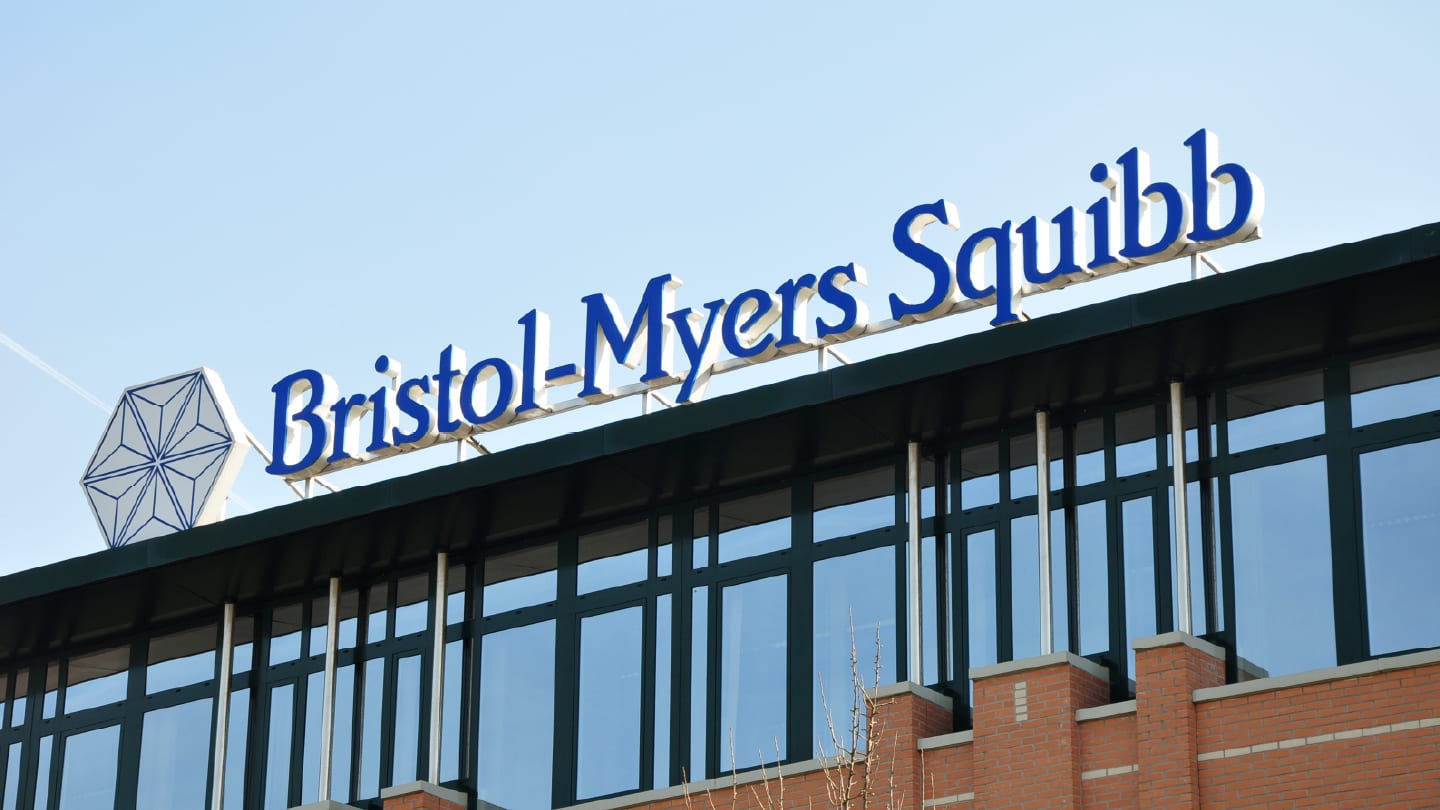
Clinical Report: Lonza to Acquire Five US CDMO Sites from Merck KGaA
Overview
Lonza has agreed to acquire five US contract development and manufacturing sites from Merck KGaA in a transaction valued in the low- to mid-triple-digit millions of Swiss francs. Expected to close in mid-2027, the deal would add approximately 1,100 employees and expand Lonza’s US manufacturing sites from four to nine. The facilities cover bioconjugation, antibody-drug-conjugate payload-linkers, viral vectors, lipid nanoparticles, liposomes, and PEGylated proteins.
Background
The sites provide manufacturing and development capabilities across several complex modalities, including antibody-drug conjugates and cell and gene therapies. Lonza said the acquisition is intended to strengthen support for products from clinical development through commercial manufacturing. Merck KGaA said the divestment supports a more concentrated Life Science portfolio focused on consumables, technologies, and services rather than contract manufacturing. The transaction remains subject to regulatory approval and customary conditions, and the businesses will operate independently until closing.
Data Highlights
| Measure | Reported detail |
|---|---|
| Sites acquired | Five US CDMO sites |
| Transaction value | Low- to mid-triple-digit millions of Swiss francs |
| Expected closing | Mid-2027, subject to regulatory approval and customary conditions |
| Employees transferring | Approximately 1,100 |
| Lonza US CDMO workforce after transfer | More than 6,000 |
| Lonza US manufacturing sites | Increase from four to nine |
| Expected acquired-site sales | Approximately CHF250 million in 2028 |
| Initial core EBITDA margin | Expected to be below Lonza group average |
Key Findings
- The St. Louis, Missouri, operation provides bioconjugation services; the Madison and Verona, Wisconsin, facilities manufacture high-potency payload-linkers used in antibody-drug conjugates.
- The Carlsbad, California, site provides end-to-end viral vector services, including aseptic fill-finish.
- The Indianapolis, Indiana, facility supports lipid nanoparticles, liposomes, and PEGylated proteins, with fill-finish capabilities.
- Lonza expects the acquired businesses to generate approximately CHF250 million in sales in 2028; their core EBITDA margin is expected initially to be below the group average.
- Lonza expects profitable growth as the operations are integrated and existing capacity is used more fully; further investment will depend on market demand.
- Merck KGaA’s BioReliance Contract Testing Services business is excluded and will remain in its Life Science portfolio. Merck KGaA will continue supplying products and services to pharmaceutical, biotechnology, and CDMO customers, including Lonza.
Clinical Implications
The acquired facilities add capabilities for manufacturing and fill-finish across modalities that Lonza identified as areas of expected continued demand, including antibody-drug conjugates and cell and gene therapies. The companies said maintaining customer programs and supply continuity will be a priority during the transition; until closing, the businesses will continue to operate independently.
Conclusion
The proposed acquisition would expand Lonza’s US CDMO footprint and add specialized capabilities across several complex modalities. Completion is expected in mid-2027, subject to regulatory approval and other customary conditions.
Related Resources & Content
- Lonza, company announcement -- Acquisition of five US CDMO sites from Merck KGaA
- Merck KGaA, Life Science press release -- Divestment of contract manufacturing sites to Lonza
- the medicine maker, 2014 -- Acquisitions Assemble
- the medicine maker, 2021 -- Lonza’s Cantonese Dream
- the analytical scientist, 2026 -- Business-in-Brief: June 2026
- the medicine maker — Biologic CDMO Update
- Guidance for Industry: Potency Assurance for Cellular and Gene Therapy Products | FDA
- FDA Provides Clarity to Support Cell and Gene Therapy Development and Quality | FDA
- Chemistry, Manufacturing, and Controls Flexibilities for Developing Human Cellular and Gene Therapy Products for a Biologics License Application | FDA
- CDER Quality Management Maturity | FDA
- CRISPR-Cas12a Gene Editing of HBG1 and HBG2 Promoters to Treat Sickle Cell Disease
- Exa-cel in Children with Transfusion-Dependent β-Thalassemia or Sickle Cell Disease
- FDA Approves First Gene Therapy for Young Children with Sickle Cell Disease | FDA
- Gene Therapy for Sickle Cell Disease: Practice Recommendations from the American Society for Transplantation and Cellular Therapy and the International Society for Cell & Gene Therapy
- Gene Therapy for Sickle Cell Disease: Practice Recommendations from the American Society for Transplantation and Cellular Therapy and the International Society for Cell & Gene Therapy.
- National Alliance of Sickle Cell Disease Consensus Recommendations for Gene Therapy Implementation
This content is an AI-generated, fully rewritten summary based on a published scholarly article. It does not reproduce the original text and is not a substitute for the original publication. Readers are encouraged to consult the source for full context, data, and methodology.