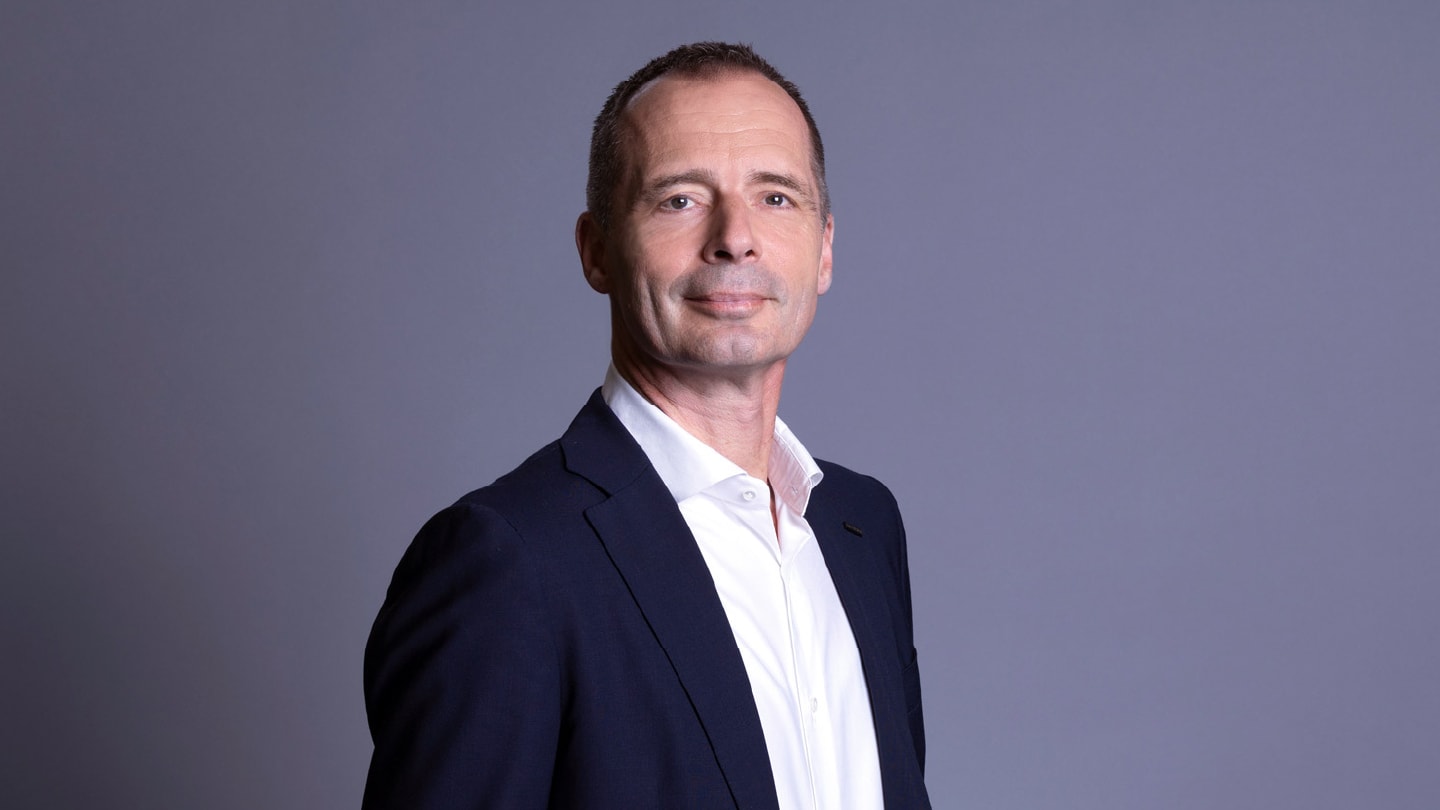
Clinical Report: The Ultimate in Translational Medicine – with Harold Keer
Overview
Harold Keer, Chief Medical Officer at Taiho Oncology, describes industry as a route for translating discoveries into medicines at scale. He reflects on changes in oncology drug development, persistent challenges in selectively targeting malignant cells, and the need to keep patients central to clinical development.
Background
Keer initially envisioned an academic career combining patient care, teaching, and laboratory research, but pursued drug development in industry. The article describes an evolution from cytotoxic chemotherapy to targeted therapies, monoclonal antibodies, immunotherapies, bispecific antibodies, and antibody-drug conjugates. It also notes that targets once considered undruggable, including RAS, have become active areas of development. Despite these advances, the challenge of destroying malignant cells while sparing healthy tissue remains.
Data Highlights
The source article is an interview and provides no numerical trial or clinical outcome data.
Key Findings
- Keer characterizes the development of medicines in industry as “the ultimate translational medicine,” because it can scale discoveries for patients.
- Oncology development has expanded beyond cytotoxic chemotherapy to include targeted therapies, monoclonal antibodies, immunotherapies, bispecific antibodies, and antibody-drug conjugates.
- RAS, previously described as an “undruggable” target, is now a competitive area of drug development.
- The fundamental challenge identified in the article is killing malignant cells while sparing healthy tissue.
- Keer discusses why promising cancer programs can fail and considers the promise of emerging modalities alongside the possibility of “irrational exuberance.”
- Keer identifies advancing Taiho’s newly acquired ADC technology into clinical development as unfinished work.
Clinical Implications
The interview emphasizes keeping patients at the center of clinical development and recognizes that compelling cancer programs may still fail. It does not provide specific treatment recommendations or clinical outcome data.
Conclusion
Keer’s account links oncology’s expanding therapeutic toolkit with the continuing challenge of translating discoveries into medicines while maintaining a focus on patients. His stated priority is to advance Taiho’s acquired ADC technology toward clinical testing.
Related Resources & Content
- The Medicine Maker, 2026 — Video: The Ultimate Translational Medicine – with Harold Keer
- The Analytical Scientist, 2016 — The Translational Scientist
- The Analytical Scientist, 2024 — A Turning Point in Translational Medicine
- ASCO Publications — Implementing a comprehensive translational oncology platform: From molecular testing to actionability.
- Video: The Ultimate Translational Medicine – with Harold Keer
- The Translational Scientist
- A Turning Point in Translational Medicine
- FDA approves trifluridine and tipiracil with bevacizumab for previously treated metastatic colorectal cancer | FDA
- Metastatic colorectal cancer: ESMO Clinical Practice Guideline for diagnosis, treatment and follow-up☆ - Annals of Oncology
- Colon Cancer | NCCN Guidelines®
- LONSURF® + Bevacizumab for Previously Treated 3L mCRC
- Trifluridine–Tipiracil and Bevacizumab in Refractory Metastatic Colorectal Cancer | New England Journal of Medicine
- Treatment of Advanced Biliary Tract Cancer: ASCO Living Guideline, Version 2026.1.0
- ESMO Clinical Practice Guideline interim update on the management of biliary tract cancer - PMC
- NCCN Guidelines Version 1.2025
- NCCN Clinical Practice Guidelines in Oncology
- Lirafugratinib Added to NCCN Guidelines for Previously Treated FGFR2-Rearranged CCA | OncLive
This content is an AI-generated, fully rewritten summary based on a published scholarly article. It does not reproduce the original text and is not a substitute for the original publication. Readers are encouraged to consult the source for full context, data, and methodology.