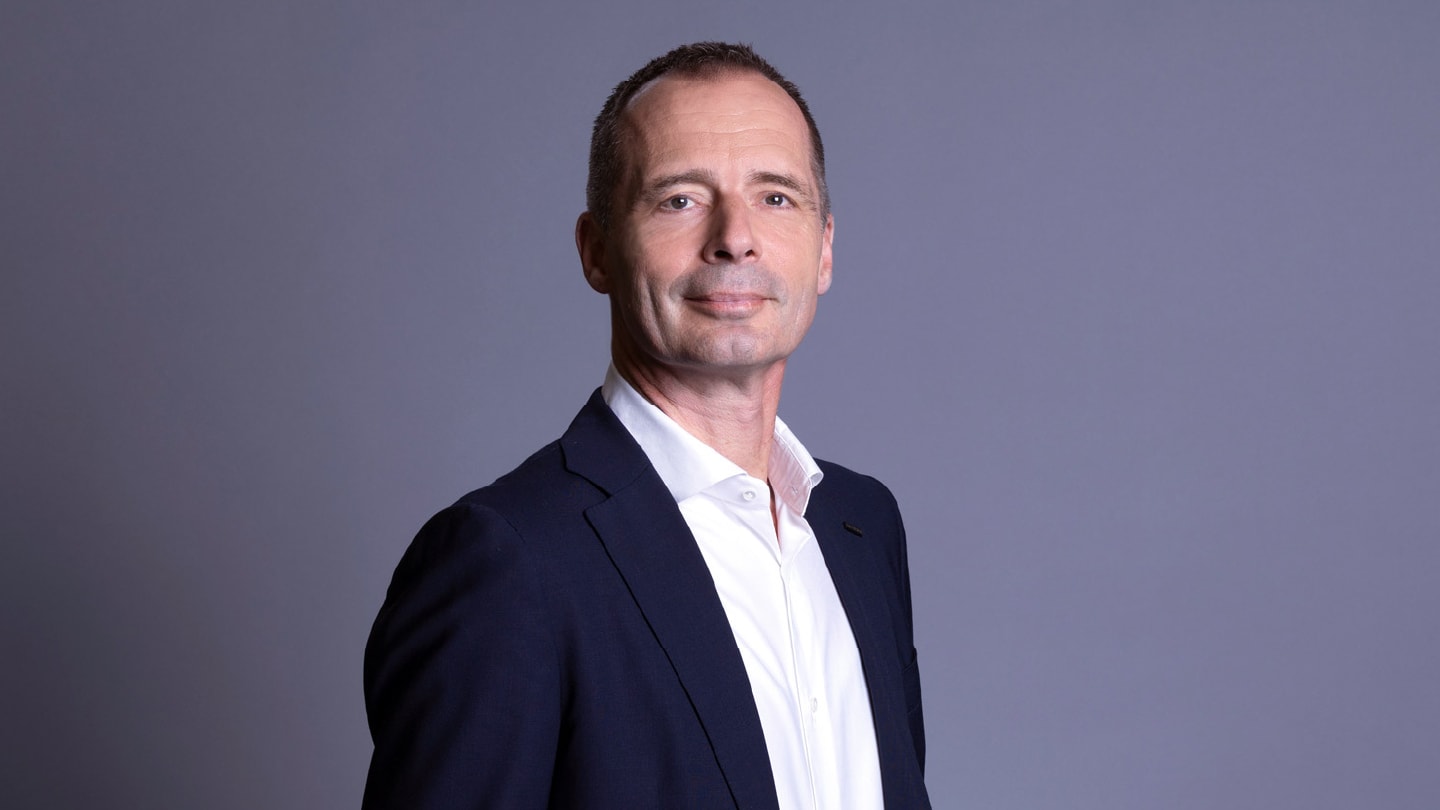
Clinical Scorecard: Video: The Ultimate in Translational Medicine – with Harold Keer
At a Glance
| Category | Detail |
|---|---|
| Condition | Clinical topic addressed by the source article: Video |
| Key Mechanisms | The interview discusses the expansion of cancer treatments from cytotoxic chemotherapy to targeted therapies, monoclonal antibodies, immunotherapies, bispecific antibodies, and antibody-drug conjugates, as well as development efforts involving targets such as RAS. |
| Target Population | Patients or participants described in the source article. |
| Care Setting | Care setting described in the source article. |
Key Highlights
- Harold Keer describes industry as a route for scaling individual discoveries into medicines for patients.
- Cancer drug development now includes targeted therapies, immunotherapies, bispecific antibodies, and antibody-drug conjugates alongside cytotoxic chemotherapy.
- RAS, once considered an undruggable target, is now an active area of development.
- The article discusses why promising cancer programs fail and the potential, as well as possible irrational exuberance, surrounding emerging modalities.
- Keer emphasizes keeping patients at the center of clinical development and describes helping Taiho’s acquired ADC technology reach the clinic as unfinished work.
Guideline-Based Recommendations
Diagnosis
Management
Monitoring & Follow-up
Risks
Patient & Prescribing Data
The article discusses cancer patients broadly and provides no specific eligibility criteria or subgroup data.
It describes treatment modalities and drug-development challenges but provides no prescribing instructions, dosing, or comparative efficacy data.
Clinical Best Practices
- Keer emphasizes keeping patients at the center of clinical development.
- The interview describes destroying malignant cells while sparing healthy tissue as a fundamental challenge in cancer treatment.
Related Resources & Content
This content is an AI-generated, fully rewritten summary based on a published scholarly article. It does not reproduce the original text and is not a substitute for the original publication. Readers are encouraged to consult the source for full context, data, and methodology.